Advancing our understanding.
Knowledge drives progress—from diagnosis and care to future treatments and cures.
● ONGOING PROJECTS
● HAPPENING NOW
Current Projects
A growing portfolio of research focused on the biology of HUWE1, disease mechanisms, and emerging therapeutic approaches. The goal is to provide researchers with the funding, data, and patient resources needed to translate scientific discoveries into effective treatments.
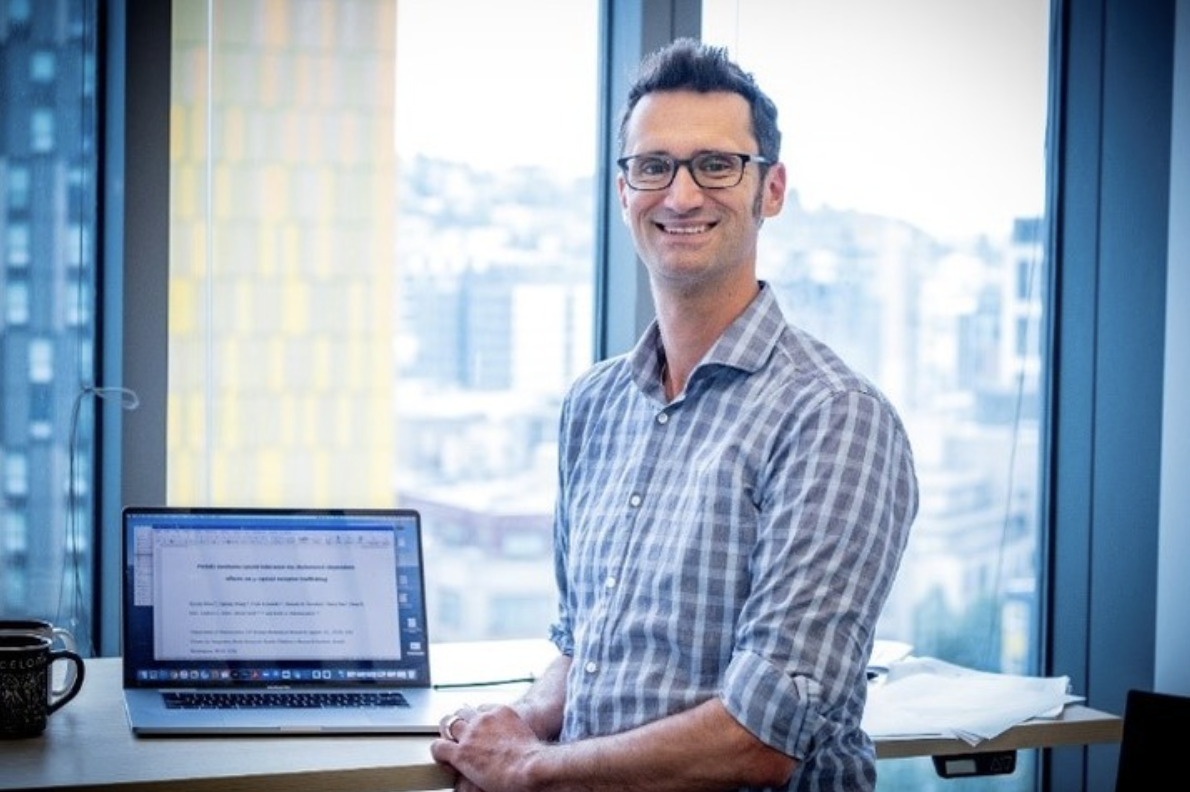
Dr. Brock Grill, University of Washington
Discovering Therapeutic Targets for HUWE1-Related Disorders
Dr. Brock Grill | Seattle Children’s Hospital
-
Dr. Brock Grill is a professor at the University of Washington and a principal investigator at Seattle Children's Research Institute. For more than 12 years, his laboratory has studied the role of HUWE1 in nervous system development and function. His research focuses on how nerve cells communicate and regulate activity in the brain. Dr. Grill also serves on the board of Louie's HUWE, which supports his HUWE1 research.
-
Dr. Grill's laboratory uses C. elegans, a microscopic worm, to study how HUWE1 functions in the nervous system. His team has discovered that HUWE1 plays an important role in regulating nerve cells that help quiet nervous system activity. Using CRISPR gene editing, researchers are investigating how specific HUWE1 variants found in patients affect gene function. The lab is also developing models containing human HUWE1 and exploring potential drug compounds that could target HUWE1-related pathways.
-
This research aims to identify how specific HUWE1 variants affect gene function, helping researchers better understand which variants may cause disease. The team is also working to identify potential therapeutic targets and compounds that could lead to future treatments for HUWE1-related disorders. These studies represent important early steps toward developing therapies, although a specific timeline for treatment development has not yet been established.

Dr. Damon Page, University of Washington
Developing Models to Advance HUWE1 Treatment Research
Dr. Damon Page | Seattle Children’s Hospital
-
Dr. Damon Page is a professor and principal investigator at Seattle Children's Research Institute with more than 25 years of experience studying neurodevelopmental disorders, including autism and intellectual disability. His laboratory has investigated rare genetic conditions involving PTEN and DYRK1A, identifying mechanisms that affect brain development and exploring potential treatments. Dr. Page is now applying this expertise to HUWE1-related disorders, building on research approaches that have shown promise in other rare genetic conditions.
-
Dr. Page's laboratory is using CRISPR gene-editing technology to develop a mouse model carrying a HUWE1 variant identified in patients. This model will allow researchers to investigate how changes in HUWE1 affect brain development and behavior. The team plans to study characteristics associated with HUWE1-related disorders, including seizures, microcephaly (small head size), and abnormalities in the brain's white matter. This work complements Dr. Grill's research using C. elegans.
-
The initial goal is to develop and characterize a mouse model that accurately represents a patient-specific HUWE1 variant. Once established, this model could help researchers identify the biological mechanisms underlying HUWE1-related disorders and evaluate potential treatments before human clinical trials. The long-term objective is to translate these discoveries into effective therapies. Specific timelines for model development, preclinical testing, and future clinical trials have not yet been established.
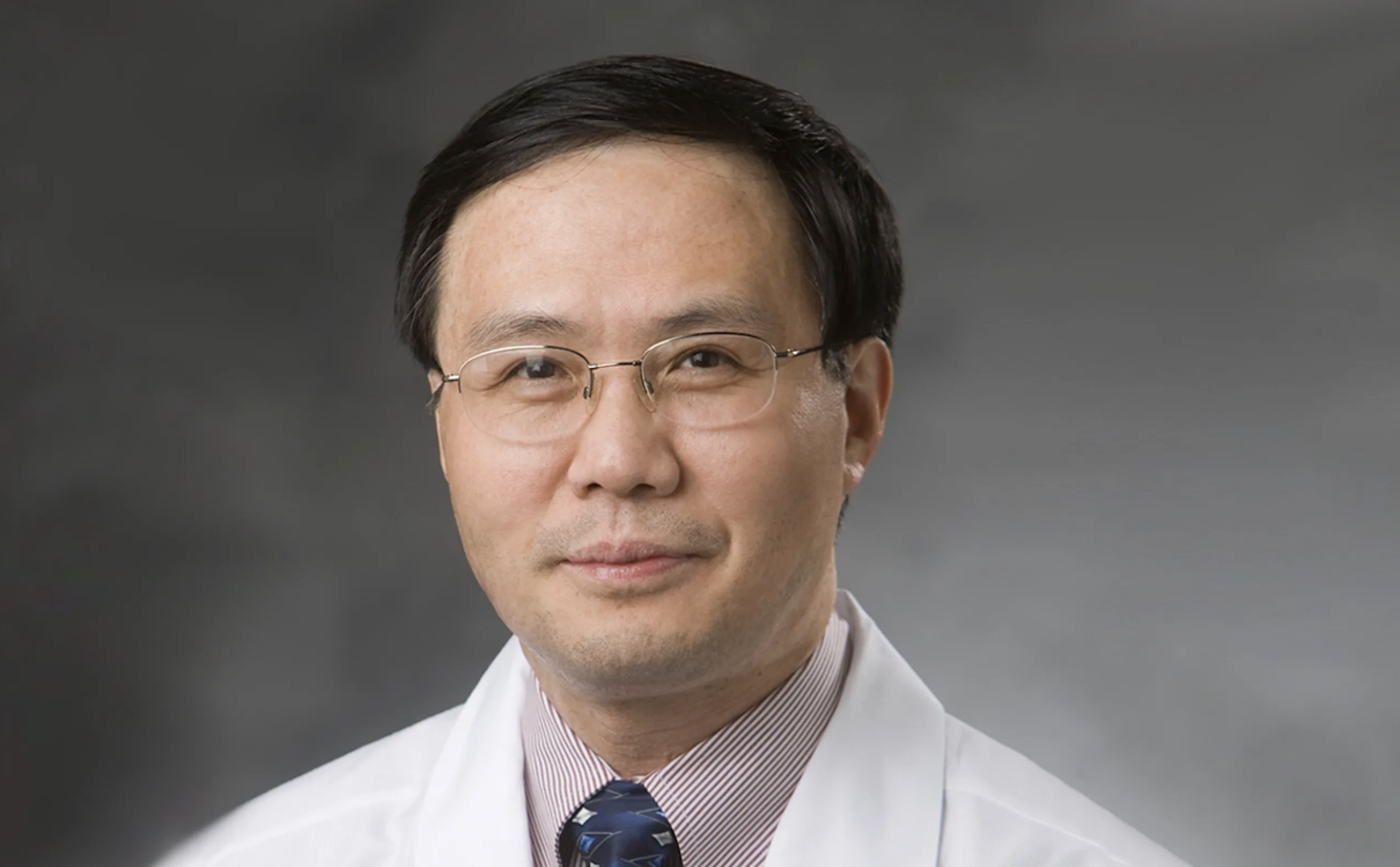
Dr. Yong-Hui Jiang, Yale University
Understanding the Cellular Biology of HUWE1-Related Disorders
Dr. Yong-Hui Jiang | Yale University
-
Dr. Yong-Hui Jiang is a physician-scientist at Yale School of Medicine whose research focuses on understanding the genetic and cellular mechanisms underlying neurodevelopmental disorders. Working alongside Dr. Jiangbing Zhou, he is studying how specific HUWE1 variants affect the development and function of brain cells. His research aims to uncover the biological changes associated with HUWE1-related disorders and build a foundation for future treatment development.
-
Dr. Jiang's team is using stem cells derived from individuals with HUWE1-related disorders to study how genetic variants affect nerve cell development and function. These stem cells can be transformed into neurons, allowing researchers to examine how HUWE1 influences cellular processes, including protein regulation, neuronal development, and communication between nerve cells. The team is also developing mouse models to better understand how these changes affect brain development and behavior.
-
The initial two-year phase of this research focuses on developing and studying patient-derived stem cell models, identifying how specific HUWE1 variants disrupt normal cellular function, and determining which biological changes may contribute to the disorder. These findings will help researchers better understand the underlying causes of HUWE1-related disorders and identify potential targets for treatment. In a subsequent phase, the team hopes to explore gene-editing approaches to determine whether correcting specific variants can restore normal cellular function.
● HUWE1 LIBRARY
Landmark Publications
These publications represent some of the most influential research advancing our understanding of HUWE1-related disorders. Together, they have expanded knowledge of the condition, improved clinical diagnosis, and laid the foundation for future treatments.
| Year | Publication | Link |
|---|---|---|
| 2026 |
Li et al. Clinical Evaluation Guidelines for HUWE1-Related Neurodevelopmental Disorder Why it matters: The largest clinical study of individuals with HUWE1-related disorders to date. This publication establishes recommended clinical evaluations and provides practical guidance for physicians caring for individuals with HUWE1 variants. |
|
| 2025 |
De Falco et al. Expanding the Clinical Spectrum of HUWE1 Why it matters: Adds new patient cases while reviewing the broader literature, helping clinicians recognize the wide range of features associated with HUWE1-related disorders. |
|
| 2024 |
Tortora et al. Prenatal and Brain Imaging Findings Why it matters: Provides important insights into prenatal diagnosis and the neurological imaging findings associated with HUWE1 variants. |
|
| 2023 |
Marino et al. Ocular and Facial Features in HUWE1 Syndrome Why it matters: Defines common eye and facial characteristics that can aid earlier recognition and diagnosis of HUWE1-related disorders. |
|
| 2023 |
Santos-Rebouças et al. New Genetic Mechanisms Involving HUWE1 Why it matters: Describes a newly identified genetic duplication involving HUWE1 and broadens our understanding of how different genetic changes affect patients. |
|
| 2018 |
Moortgat et al. Defining the Clinical Features of HUWE1 Why it matters: One of the landmark clinical studies that established HUWE1-related neurodevelopmental disorder as a distinct genetic condition and described its core clinical features. |
|
| 2012 |
Froyen et al. Understanding HUWE1 Copy Number Variants Why it matters: Explains how duplications involving HUWE1 occur and provides important insight into the genetic mechanisms underlying the disorder. |
|
| 2008 |
Froyen et al. Discovery of HUWE1 as an Intellectual Disability Gene Why it matters: The landmark paper that first established HUWE1 as a cause of X-linked intellectual disability, launching nearly two decades of research into the disorder. |
● GET INVOLVED
Help us turn hope into discovery.
Every donation advances research, every story builds knowledge, and every connection strengthens our community.